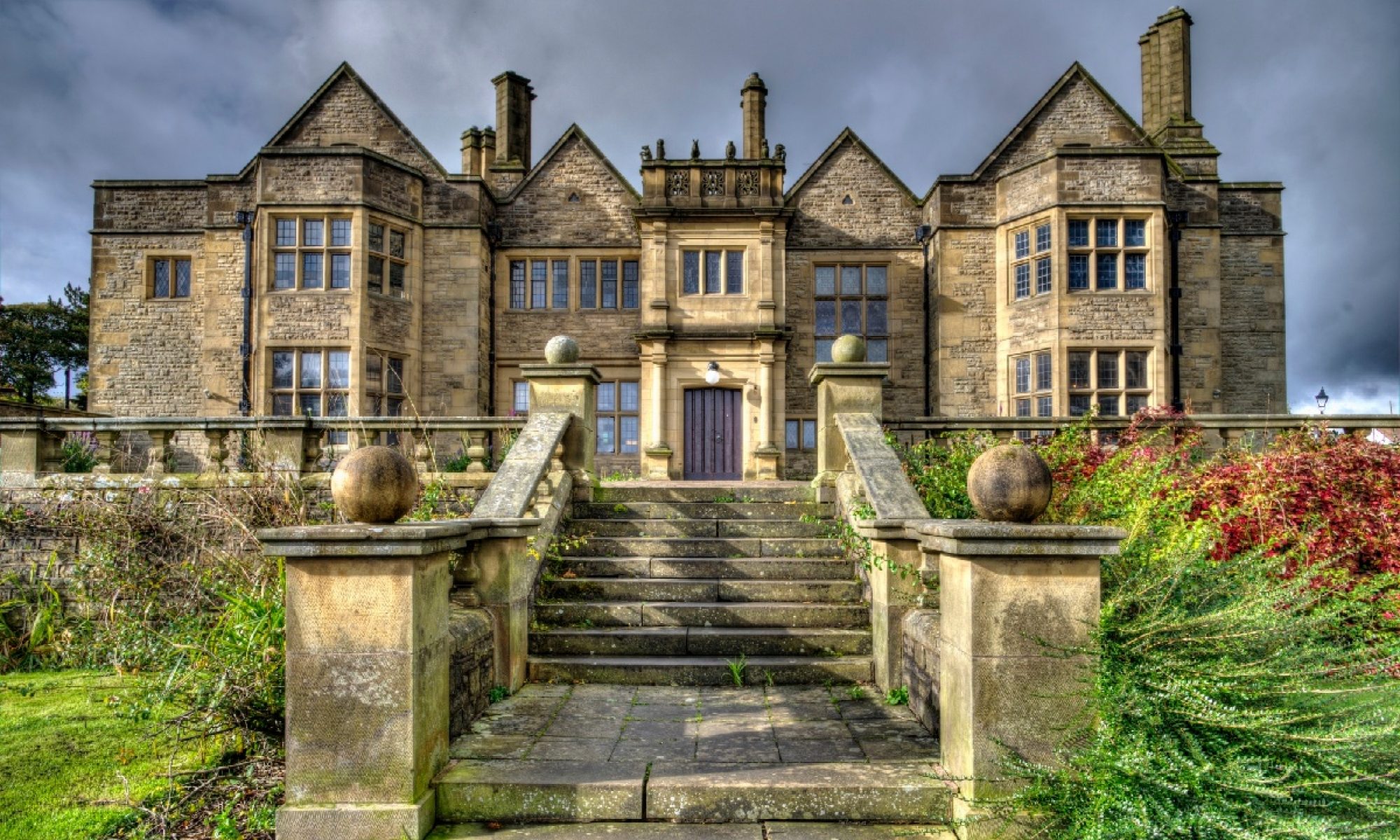
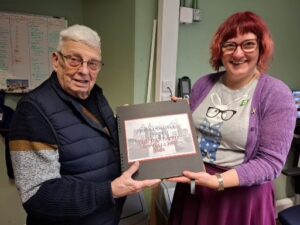
For the National Heritage Day, the Friends, along with two young people who volunteered, were deeply involved in organising and running the Fun Day alongside the gallery staff.
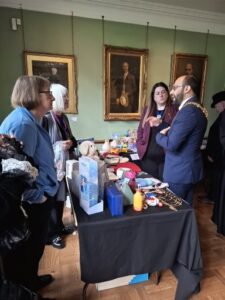
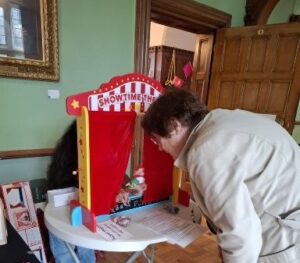
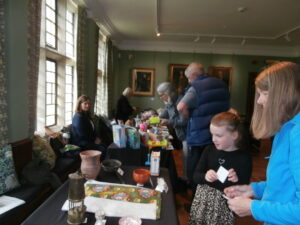
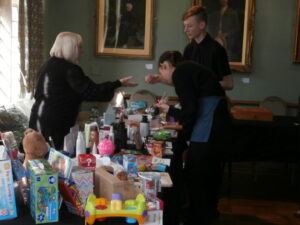
The tombola raised funds for our accounts, which we will use for the benefit of the gallery. Guess The Name of the Teddy raised a few laughs, as people chose from a provided list of silly and strange possibilities. No-one chose the correct name, which was Rupert. Perhaps it was too normal a name alongside all the odd ones! The finger puppet theatre was popular with the younger visitors, who told stories with the puppets.
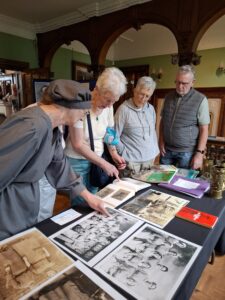
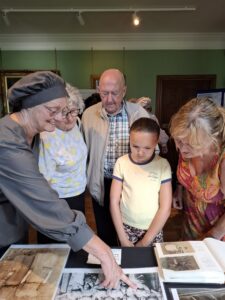
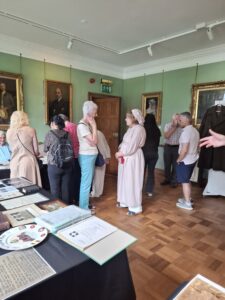
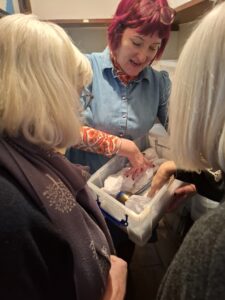
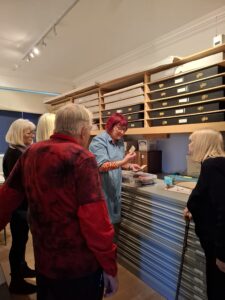
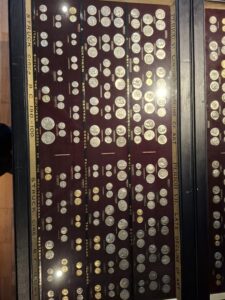
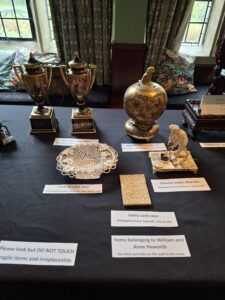
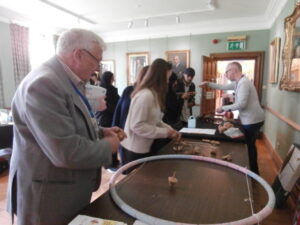
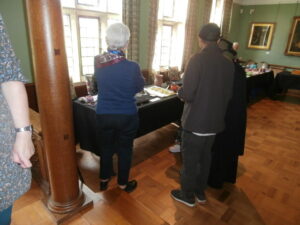
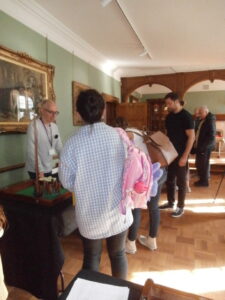
In another guessing game, we had several artefacts from our own and the gallery collections and visitors were challenged to guess their age or which era they were from. Dates ranged from 340 million years ago (crinoid fossils), Bronze age, Roman era, through the 1800’s, Victorian and Edwardian eras as well as art deco. Artefacts included apothecary pots, a bronze age pot, Roman pot, miner’s lamp, china pieces and a printing block, as well as a woven piece of cloth showing the face of Edward Vlll, made for his coronation which never happened as he abdicated. Visitors spent some time at this table, but it turned out that some of the children visiting were more accurate than their parents!
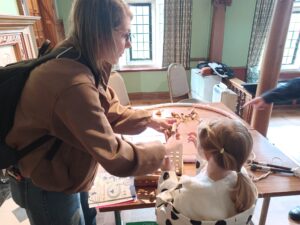
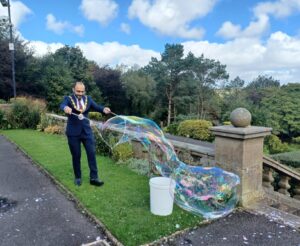
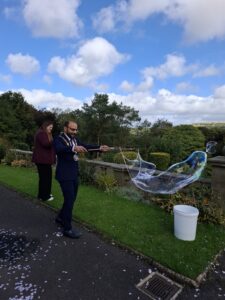
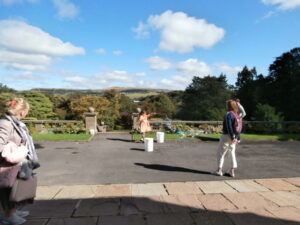
The Heritage Games were popular, as always, both with children and adults, and competitions between family members were fierce. Outside, the giant bubbles caused loads of fun for everyone and the near neighbours also enjoyed the show, as the bubbles soared over the surrounding area.
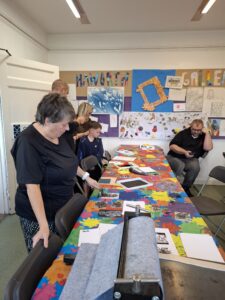
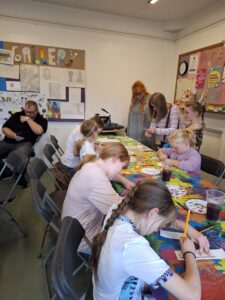
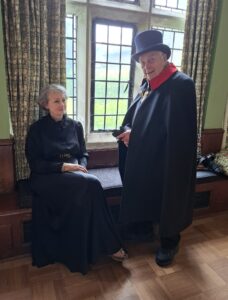
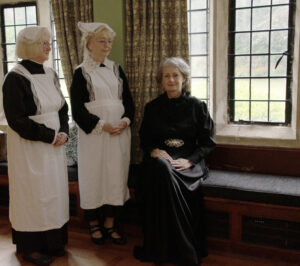
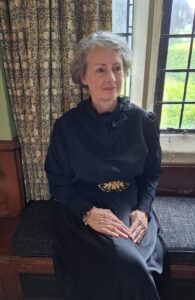
One of the Friends, masquerading as the coachman, William Beach, took visitors round the Motor House and Stables which were built 1908/09, telling the story of the coachman and chauffeur, transporting people back to the era when cars were the privilege of the rich as were private carriages. There was also a tour of the house by gallery staff looking at the architecture and the art and craft interior. Upstairs, there were craft activities for the children visiting. These were based on features of the house and were good fun.
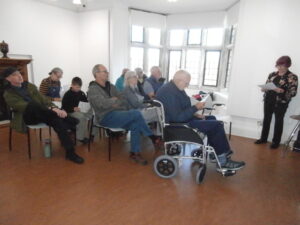
The morning room was transformed into a lecture theatre and visitors were treated to a talk on Simeon Marshall, who was the landscape architect responsible for planning and planting out the grounds when the house (now the gallery) was first build, together with maps and information as well as a short walk to look at several areas of the grounds. A really interesting talk.
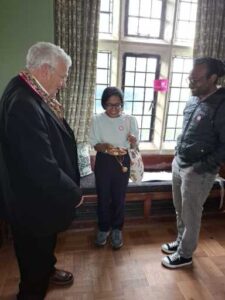
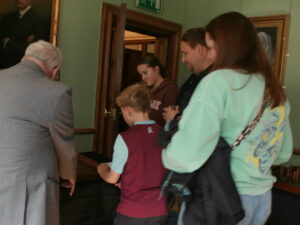
Our visitors came from all ages, backgrounds and abilities, with everyone being able to take part and chat to us. We were given a lot of positive feedback, some of which is recorded at the end of this document. In all, 80 people took part in our activities.

Some comments from visitors:
· One Asian mother, here with her disabled children, stayed all afternoon and said it was wonderful to be able to bring them and find they were accepted like everyone else and got to play on all the games and try the bubbles.
· Several people commented on the “What Era” guessing game having had a laugh and learnt about artefacts
· Very friendly atmosphere coming into the building
· Can we really have a try at making the giant bubbles?
· Several people thanked us for providing the heritage games
· It was good to play the games – so much better than being on screens all the time
· One family said they hadn’t been here before but will definitely be coming back